AIR SPONGE
Tianran Chen
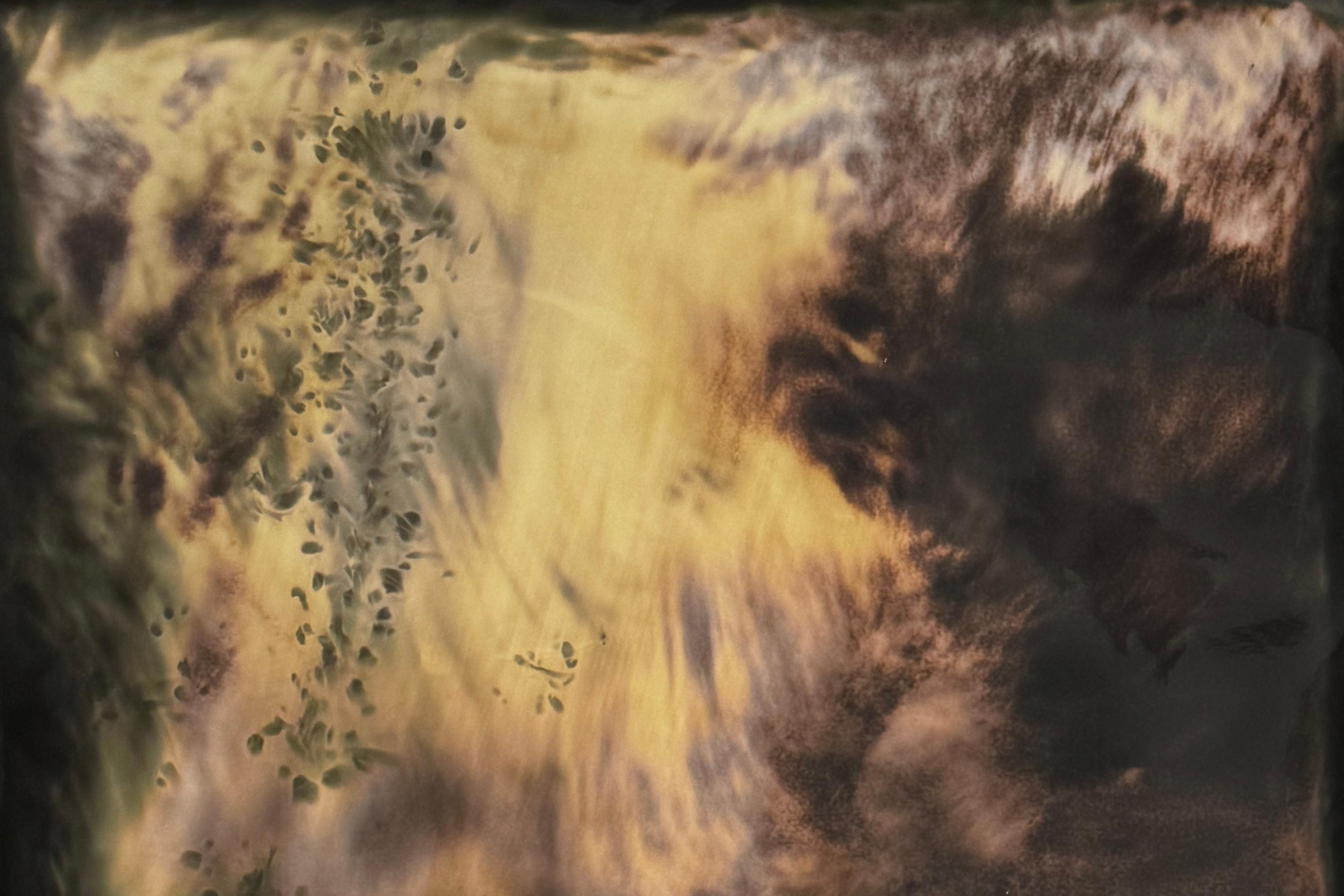
Air Sponge is a project that rethinks Tilbury Fort, a historic star-shaped military site on the Thames Estuary, as a place that can clean its own air while respecting its layered history. Located at the edge of the estuary, the fort is surrounded by strong winds, high humidity, salt marsh smells, and leftover industrial and military pollution. Its rigid defensive geometry and enclosed layout trap poor air quality, while its heritage status limits how we can intervene. The design takes invisible airflow patterns and natural growth logics as its starting point. Inspired by slime mould and sponge structures, the proposal introduces modular dodecahedral units that grow along air paths across the site. These lightweight, bolted structures use plant-based filter materials to absorb odours and pollutants, gently inserting new porous spaces without damaging the existing fort. The new network of sponge nodes and winding paths invites visitors to move through the site differently, sensing air quality changes and engaging with the fort’s forgotten stories. In the end, Air Sponge turns a static heritage site into a living, breathing landscape—one that cleans the air, honours history, and lets the place breathe again.
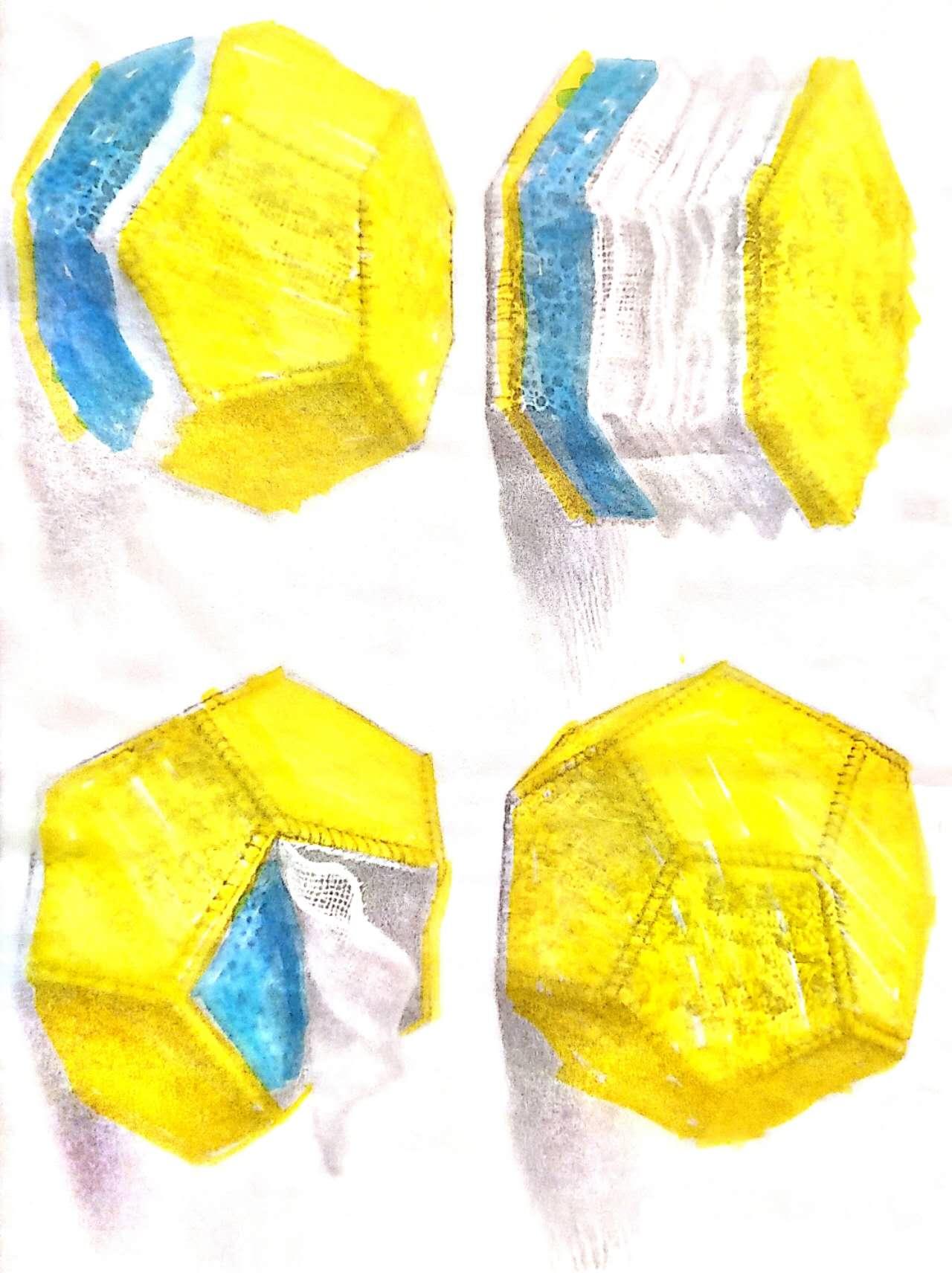
Sponge filter for Tilbury: working sketch