Sacred Imagination
Edward Rosson-Jones
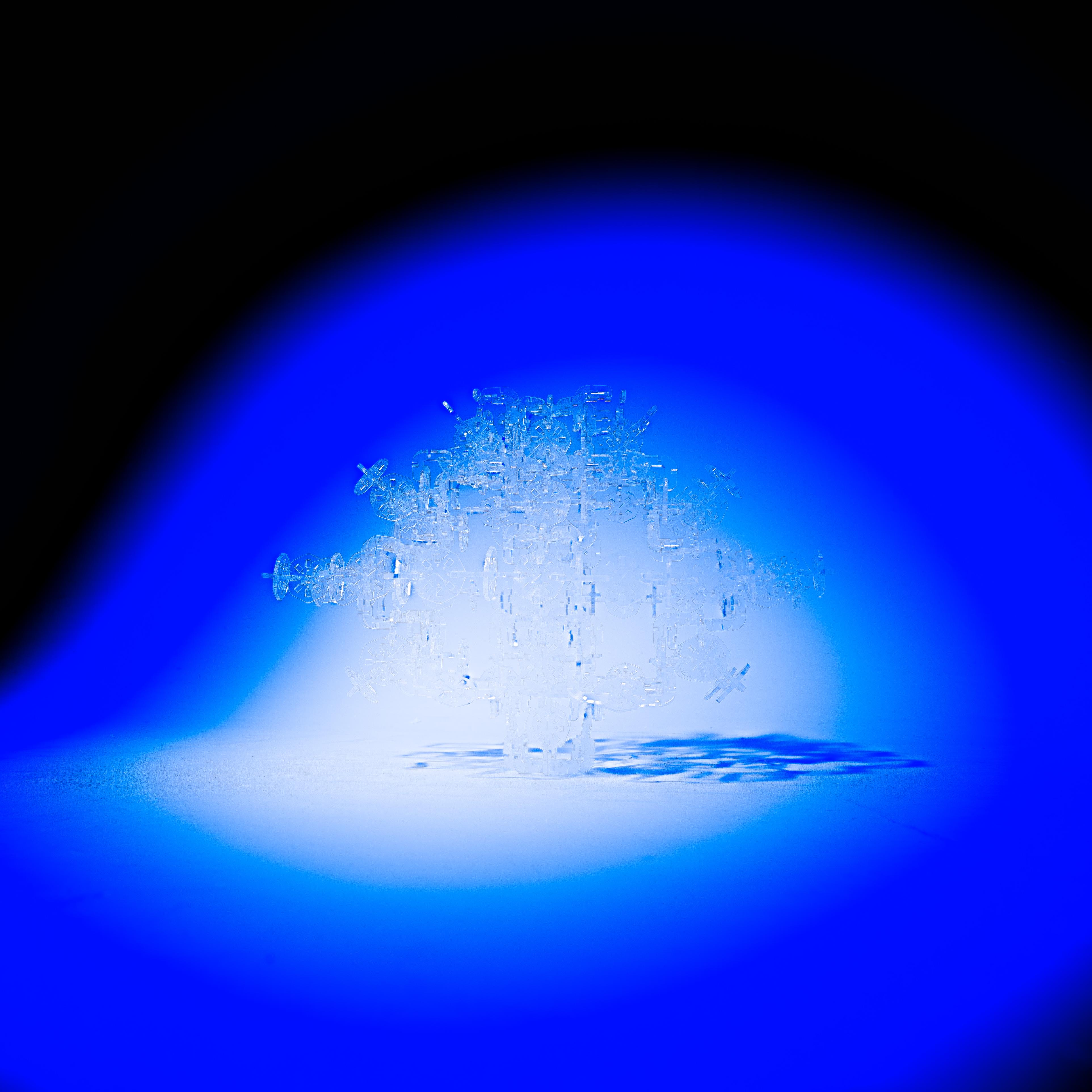
Angel (Tevah) to Eden explores the development of a sacred architectural language across two interconnected projects. Beginning with Angel (Tevah), a small contemplative sanctuary, the work investigated sacred enclosure through catenary geometry, procession, and the relationship between structure, light, and atmosphere. The project established an intimate space centred on reflection and spiritual encounter, using simple geometric forms to create a sense of transcendence within a restrained architectural setting.
Building upon these ideas, Eden expands the spatial and conceptual ambitions of the earlier project into a contemporary cathedral and civic sanctuary located at London Bridge. The design reinterprets the geometric and structural principles explored in Angel (Tevah) through a larger architectural framework informed by Gothic verticality, Baroque monumentality, and contemporary construction methods. Organised around a central tower and a processional sequence of gathering spaces, Eden accommodates worship, performance, contemplation, and public assembly.
The project is generated through a rigorous geometric system derived from circles, radial organisation, and catenary structures. Vaulting, tracery, and enclosure emerge from this underlying order, allowing structure and ornament to operate as a unified architectural language. Through physical model making, catenary experimentation, digital modelling, and iterative drawing, the work investigates how geometry can shape atmosphere, collective experience, and spatial meaning.
Together, Angel (Tevah) and Eden represent an exploration of how sacred architecture can respond to contemporary society while remaining connected to enduring themes of faith, gathering, beauty, and transcendence. The projects seek to create places that foster both individual reflection and collective experience within the modern city.
Edward Rosson-Jones is a final-year BA (Hons) Architecture student at the University of Westminster. His work explores the relationship between architecture, faith, geometry, and collective experience, with a particular interest in sacred space and contemporary interpretations of religious architecture. Through drawing, physical model-making, and digital experimentation, he investigates how structure, light, materiality, and procession can shape meaningful spatial experiences. His final-year project, Eden, develops these themes through the design of a contemporary cathedral at London Bridge, drawing upon Gothic architecture, the churches of Sir Christopher Wren, Roman geometry, and catenary structures.