"The last garden"- Post human ecology and Infrastructure of death
Sofia Kulinkina
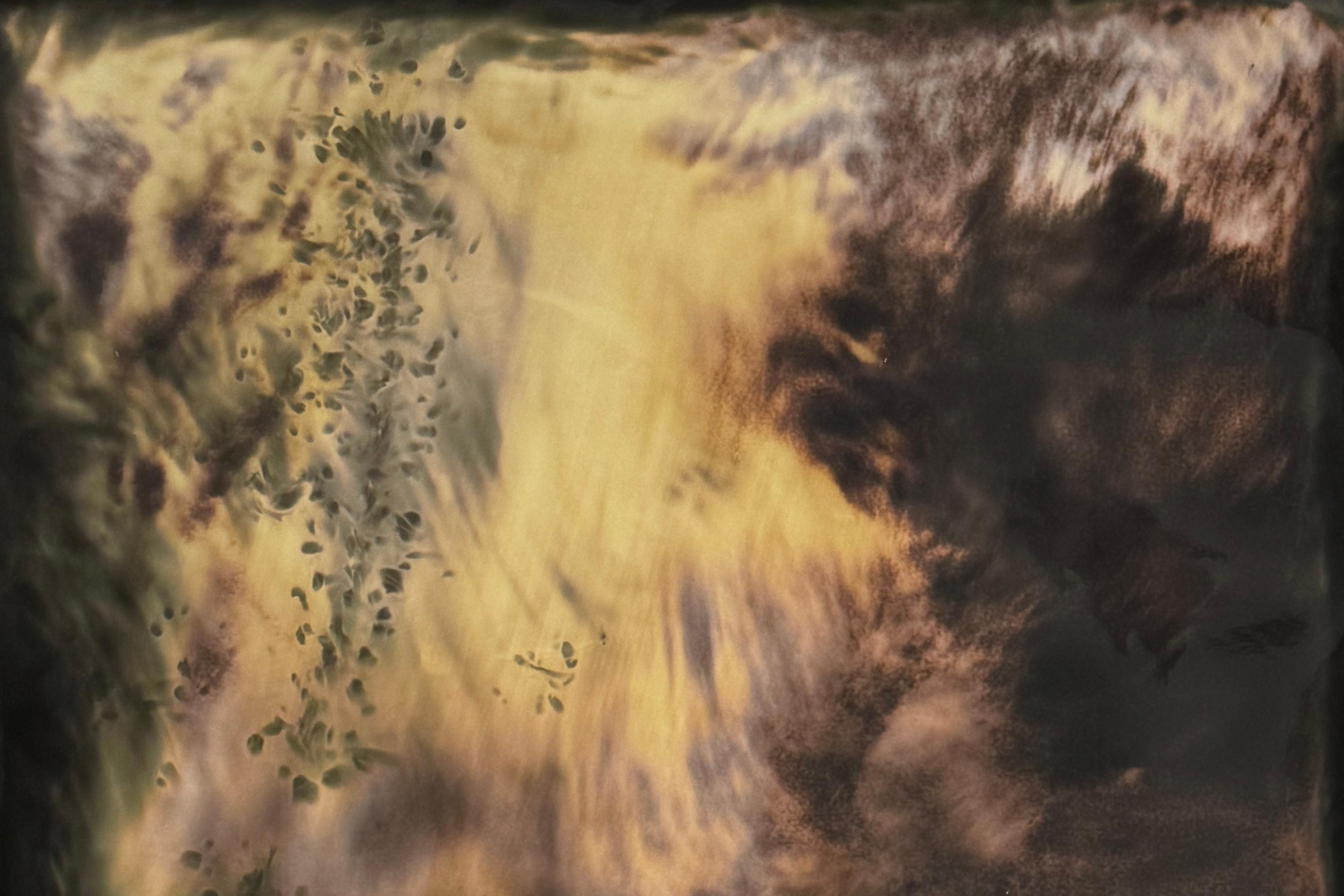
Set within Bethnal Green Gardens, this project reimagines the architecture of death through ecology, ritual, and material transformation. It questions the growing separation between funeral infrastructure and everyday life, proposing a crematorium garden where mourning is not hidden away, but integrated into a living public landscape.
At the centre of the proposal is water cremation, explored as a more environmentally conscious alternative to traditional burial and flame cremation. Filtered rainwater collected across the site is reused within the cremation process, while the remaining ashes are combined with soil and mycelium to support new plant growth throughout the gardens. Death therefore becomes part of an ongoing ecological cycle rather than a singular ending.
The architecture unfolds through a sequence of layered spatial experiences, moving from earth and water into nature, mechanical processes, and finally spiritual reflection. Visitors pass gradually from the openness of the public garden into quieter ceremonial spaces through sheltered courtyards, changing levels, and softened transitions. Floating stone installations, free-growing vegetation, and partially submerged spaces create an atmosphere that feels both grounded and ethereal, balancing permanence with decay.
The project ultimately explores how architecture can hold grief with dignity while remaining connected to life around it. It is designed to provide stability and strength, yet remain in constant transformation through nature, weather, growth, and time. In doing so, it gently reminds visitors that where death exists, life is never truly over; from stability, change continues to grow.
Long before I became an architecture student, and long after I become an architect, I will remain an artist. I have a strong interest in the relationship between space, human behaviour, and perception. While naturally energetic, and outspoken, my work is often drawn towards quieter aspects of human existence, exploring memory, ritual, identity, and the subtle ways environments shape behaviour and thought. My work is driven by curiosity and a fascination with the neurological and emotional impact of space. Through architecture, drawing, and writing, I seek to translate complex human nature into work that is thoughtful, ambitious, transformative, yet simple.
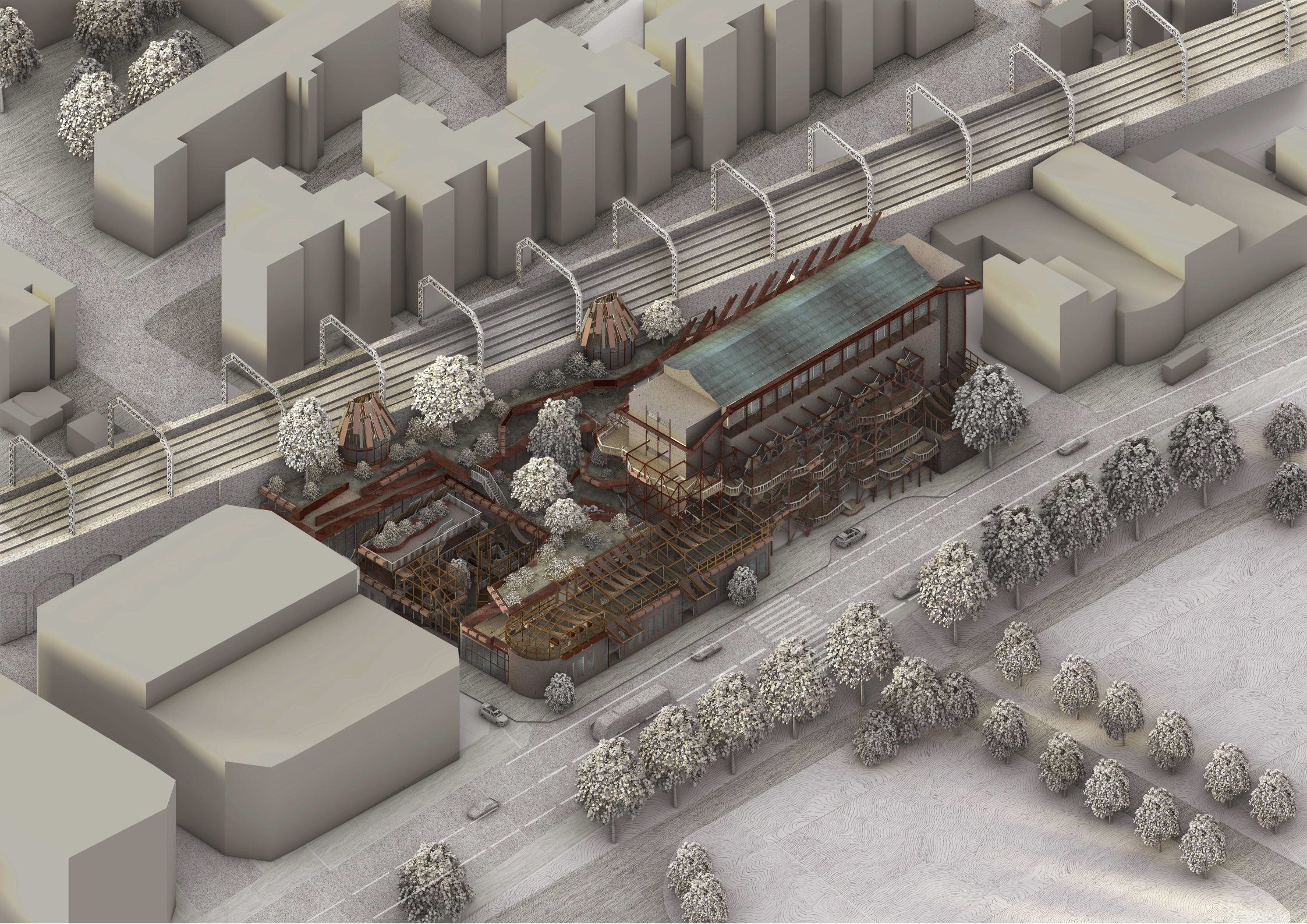
Isometric view of the design
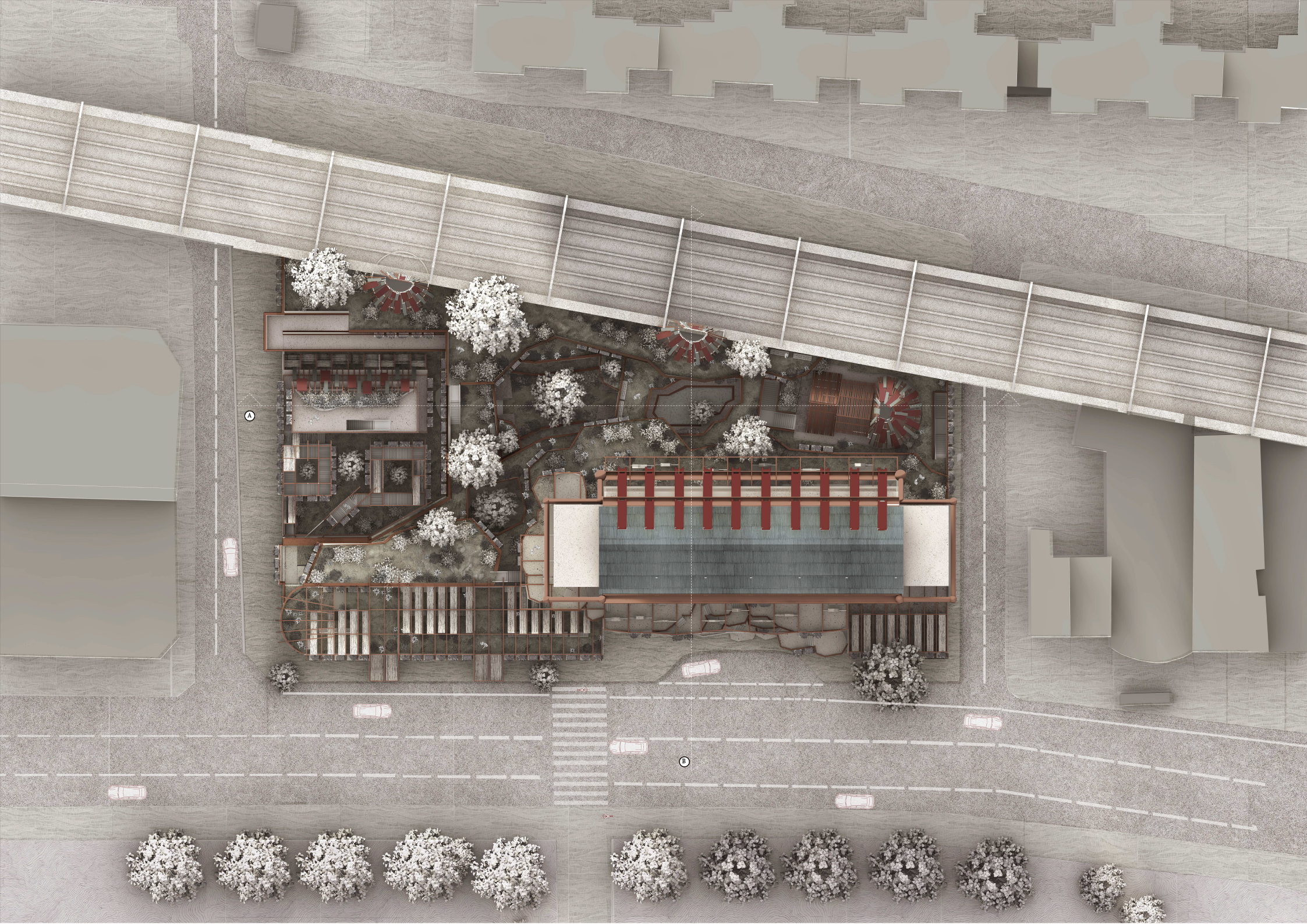
Top elevation of the design
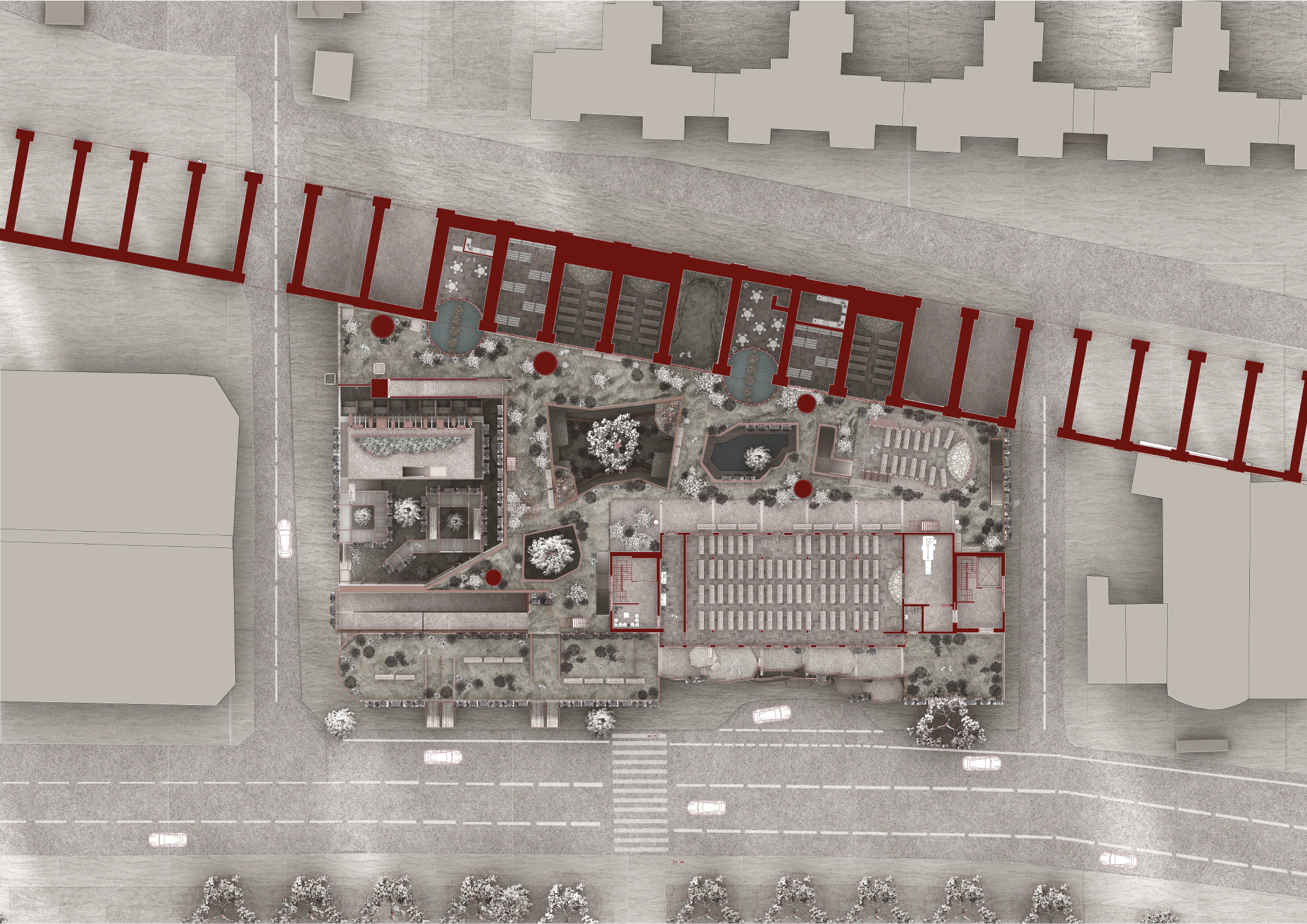
First floor plan
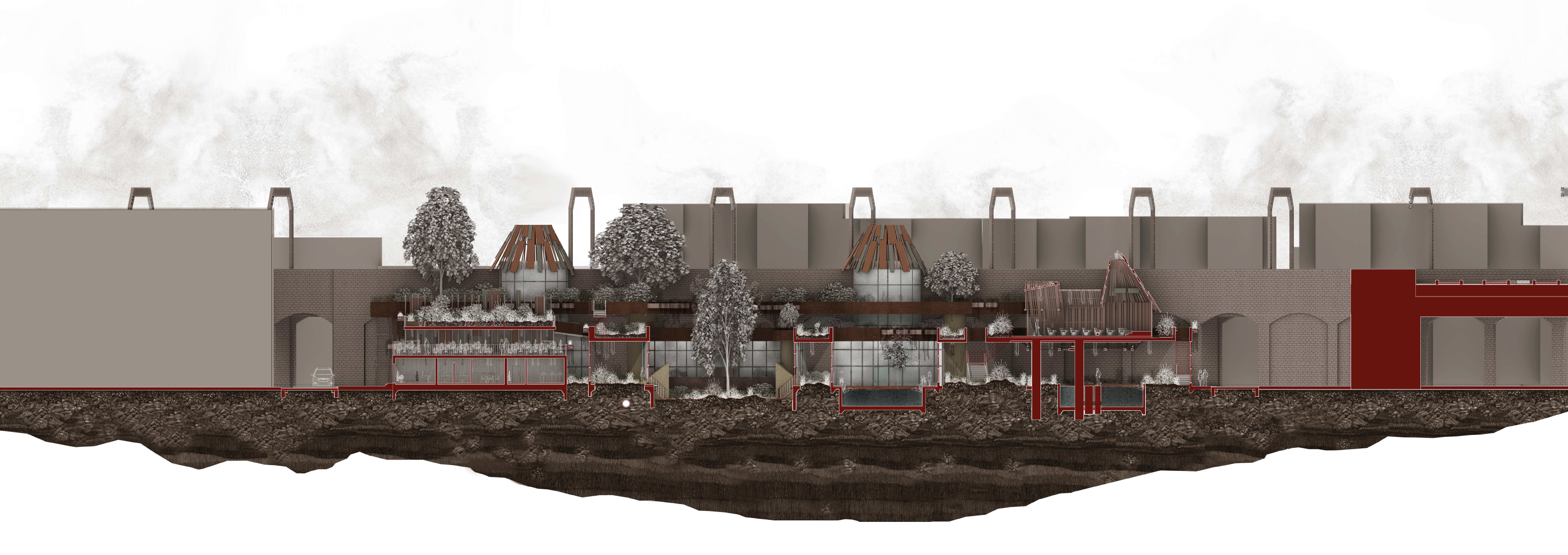
Garden section
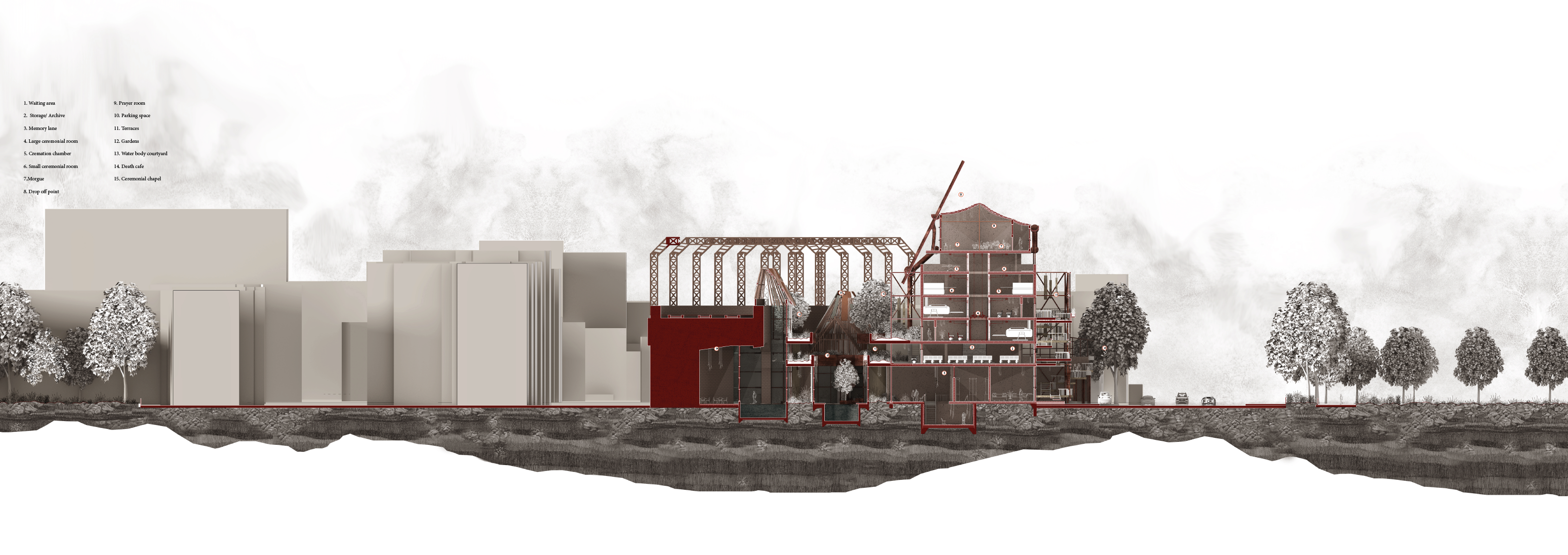
Building section
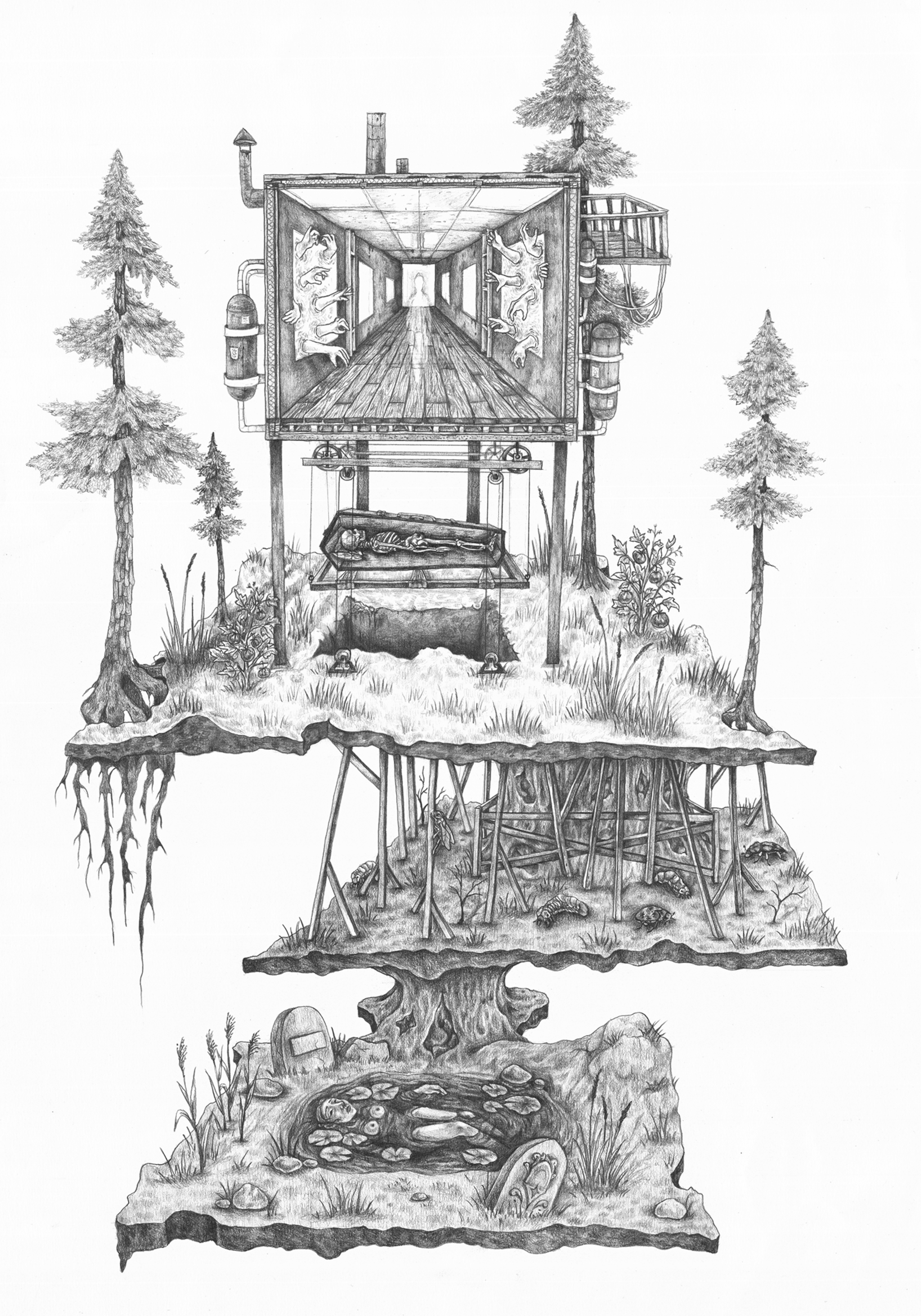
Conceptual illustration- layers of death